Brand image clothing decisions can look small at the product level, yet they often carry meaning far beyond fabric, color, or seasonal timing. Target’s August 2026 costume controversy is a useful case for anyone who chooses clothing for a workplace, campaign, event, photo shoot, school activity, retail display, or public-facing role.
On August 25, 2026, Target pulled a children’s Halloween costume called “Kids’ Glows Under Blacklight Circus Clown” after critics said it evoked racist minstrel caricatures; the company removed the item and apologized, according to The Washington Post. Reuters reported that Target shares dropped by up to 5% on August 25, 2026, after the backlash, as covered by Investing.com.
This article does not treat that market movement as investment advice. It treats the episode as a practical image-selection lesson: clothing is read through culture, timing, past brand behavior, and public trust. A garment may be intended as playful, theatrical, seasonal, or harmless. Viewers may read it very differently.
Why Brand Image Clothing Signals Matter
Brand Image Clothing And First Impressions
A brand image clothing choice works on two levels. First, there is the item itself: silhouette, color, styling, name, packaging, and setting. Second, there is the story people attach to it. That story may come from a company’s past decisions, a public debate, a cultural reference, or a customer’s own lived experience.
For a retailer, the risk is not only that one product offends. The greater risk is that the product is seen as evidence of a deeper judgment problem. In Target’s case, the costume backlash did not appear in a vacuum. The research notes connect the 2026 incident with broader reputational concerns, including previous controversy around Pride merchandise and diversity, equity, and inclusion decisions. That matters because customers often interpret clothing choices as values signals, not just merchandise.
The same pattern can affect smaller organizations. A nonprofit choosing shirts for volunteers, a school choosing costumes for a performance, or a professional choosing attire for a public presentation may not face national scrutiny. Still, the visual message can either support trust or create unnecessary friction.
Why Intent Is Not The Same As Impact
Most image problems do not begin with someone saying, “Let us make a harmful choice.” They often begin with a narrow review process. The team may focus on whether an item is cute, affordable, seasonal, brand-colored, or likely to sell. Those are valid questions, but they are incomplete.
Impact asks different questions. What could this reference suggest to people outside the approval team? Does the design echo a stereotype, caricature, exclusionary symbol, or painful visual history? Is the product name adding risk? Would the item still feel appropriate if photographed without the company’s explanation beside it?
For readers who work visually, sketching and mood-board review can make these concerns easier to spot. A related creative site in the same network, The Sketchbook Project, is a useful reminder that visual ideas often need space, comparison, and reflection before they are shared publicly.
What The Target Costume Backlash Showed
Public Meaning Can Shift Fast
Target’s costume was sold as a children’s Halloween item, but the public response focused on racial imagery and historical association. That gap between product category and public interpretation is the central lesson. Seasonal clothing, costumes, uniforms, and branded apparel may be designed for a specific use, yet they can still carry references that viewers connect to larger social concerns.
For brand teams, this is where image selection needs more than taste. Taste asks, “Do we like it?” Brand judgment asks, “What meanings could attach to it, and are we prepared to stand behind them?” If the answer is uncertain, more review is needed before the item reaches shelves, campaign images, or social feeds.
One practical point is especially relevant for clothing: garments are worn on bodies. That makes them more personal than many other product categories. A controversial mug, poster, or display may cause concern. A controversial costume or shirt asks a person, including a child in this case, to become part of the image. That increases the need for care.
Financial Reaction Is A Trust Signal, Not The Whole Story
The reported share-price drop after the backlash shows that investors can react quickly to reputational events. Still, a single-day move does not fully explain customer trust, employee sentiment, or long-term brand health. Those require longer observation and more data than the available facts provide here.
For image work, the useful lesson is narrower and more practical: visual decisions can move from merchandising to public reputation very quickly. If a brand has already faced criticism, new image choices may be judged against that history. A company cannot assume each product will be evaluated in isolation.
That principle applies outside retail as well. If a professional has built a reputation for care, clarity, and respect, a thoughtful clothing choice supports that reputation. If trust is already strained, the same choice may receive less benefit of the doubt.
A Practical Review Process For Clothing Choices
Use A Wider Lens Before Approval
For personal and professional wardrobes, brand image clothing is not about dressing blandly. It is about choosing with awareness. Distinctive clothing can still be appropriate, expressive, and memorable. The issue is whether the visual message matches the setting and respects the people who will encounter it.
Before approving a costume, uniform, campaign outfit, staff shirt, or public-facing look, use a short review process:
- Context: Where will the clothing appear, and who is likely to see it?
- Reference: Could the design, styling, name, or pose recall a harmful stereotype or caricature?
- Wearer: Is the item asking someone to embody an image that may be uncomfortable or culturally loaded?
- History: Has the organization recently faced criticism that could affect how this choice is read?
- Alternatives: Can the same creative goal be reached with a safer design, color story, or theme?
This kind of review does not require fear-based decision-making. It asks for a pause before a visual choice becomes public. That pause is often where better image decisions are made.
Build Review Around People, Not Just Products
A common mistake is to review clothing only as inventory: cost, size range, season, quantity, and sell-through potential. Those details matter, but cultural sensitivity requires a people-focused review as well. Who is represented? Who may feel mocked, excluded, or reduced to a prop? Who will have to answer for the decision if the public response turns negative?
For a deeper related checklist, the site’s article on cultural sensitivity clothing offers practical steps for reviewing apparel after public controversy. The same approach can help employers, creative teams, and event organizers slow down decisions before they become reputational problems.
How Professionals Can Apply The Lesson

Personal Clothing Still Sends Brand Signals
Individuals are not retailers, but clothing still affects perception. A consultant, teacher, founder, performer, recruiter, or nonprofit leader may choose an outfit for a meeting, photograph, conference, or media appearance. The question is not, “Will everyone like this?” That is impossible. The better question is, “Does this choice support the role I am here to perform?”
Clothing can signal approachability, authority, creativity, restraint, celebration, or respect for an occasion. It can also distract from the message. The strongest professional choices usually align three things: the person’s identity, the audience’s expectations, and the purpose of the moment.
For example, a dramatic jacket may work well for an arts fundraiser but feel out of place in a formal client review. A themed costume may suit a private party but be too risky for a workplace event if the reference is not carefully considered. A campaign photo may benefit from visual character, but not if styling creates a cultural association the team did not intend.
Use Photos To Test The Message
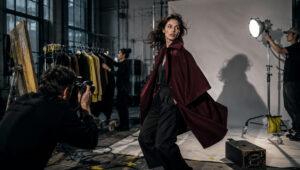
One practical method is to photograph clothing before it is used publicly. A mirror view can feel forgiving because you are reading the outfit through movement, memory, and intent. A photograph is less generous. It shows the outfit as others may first encounter it: shape, color, contrast, expression, styling, and setting all at once.
Review the image without explaining it. If the clothing needs a long defense, it may not be ready for public use. Ask a small group with different backgrounds to describe what they see. Do not ask whether they are offended first; ask what the image suggests. Their first associations may reveal risks the original chooser missed.
For brand image clothing decisions, this photo test is especially useful because many controversies begin with a visual that travels without context. Once an image is shared, the intended caption may not follow it.
Target Controversy And Brand Image Clothing Lessons
The Target controversy shows how quickly a clothing item can become a broader brand discussion. The company removed the costume and apologized after criticism, but the incident still became part of a larger conversation about judgment, trust, and cultural awareness.
The key lesson from brand image clothing decisions is simple: review the meaning before the public has to do it for you. That does not mean every garment must be plain. It means every public-facing clothing choice should be examined for context, references, audience, and fit with the organization’s stated values.
For professionals and brands, the most useful habit is a calm second look. Ask what the item communicates without explanation. Ask who may read it differently. Ask whether a better option could make the same creative point with less risk. Those questions will not prevent every disagreement, but they can reduce avoidable harm and protect the trust you are trying to build.