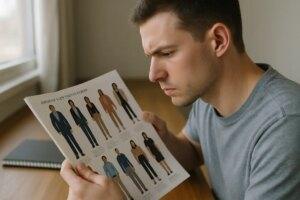
First Impressions can feel unfairly fast, yet they often influence how people assess credibility, warmth, and readiness at work. The useful response is not to fake a personality or dress as someone you are not. It is to understand which early signals carry weight, then prepare those signals with care.
As a branding consultant, I see this most often in interviews, introductions, client meetings, promotion conversations, and the first days in a new role. People are not judging only a résumé. They are also reading communication style, presence, follow-through, and social ease. Those readings are imperfect, but they can still affect access to opportunity.
Why First Impressions Matter at Work
What The 2026 Meta-Analysis Found
A meta-analytic review published on August 3, 2026 in Personnel Psychology analyzed 204 independent samples from 145 studies through March 2026. The review found that general first impressions correlated with work outcomes at ρ̄ = 0.40, with achievement-oriented outcomes at ρ̄ = 0.38 and relational outcomes at ρ̄ = 0.49. The study also reported that early impressions lost some predictive strength over time but remained statistically meaningful even for outcomes observed more than one month later, according to the Personnel Psychology review.
The strongest lesson is that First Impressions should be treated as part of professional readiness, not as a superficial extra. Hiring, evaluation, cooperation, trust, mentorship access, and promotion conversations can all involve early judgments. Those judgments are not always accurate, and the research does not say they should replace fair assessment. It does show that people often carry an early read forward longer than we may assume.
First Impressions Begin With Communication
The same review found that communication cues, including verbal and nonverbal style, had stronger and more consistent effects on initial impressions than content cues or appearance. That distinction matters for practical preparation. A person may have strong qualifications, yet still weaken the opening moment through rushed answers, poor listening, flat energy, unclear phrasing, or visible discomfort.
Communication does not mean performing charm. It means making your competence easy to receive. Speak at a measured pace. Answer the question asked before adding context. Use concise examples. Make eye contact in a natural rhythm. Let the other person finish before responding. These actions help others process both your information and your presence.
Appearance still matters, but the research suggests it is not the only signal. Appearance cues were associated with competence-related and warmth-related impressions, while communication cues showed higher consistency. The practical takeaway is simple: clothing should support the message, while communication carries much of the message.
What The Evidence Says About People Skills
Professionalism Still Carries Weight
A July 22, 2026 report cited a Reuters survey of more than 600 employers finding that dependability, professionalism, and willingness to learn were rated higher than tech skills, even as AI adoption increased. The Washington Post report framed the finding around continued employer demand for people skills.
That does not make technical skills optional. It does mean early professional signals deserve real attention. If you arrive late, speak carelessly, seem unprepared, or show little curiosity, the other person may start questioning reliability before you have explained your strongest achievements.
For job seekers, the practical move is to prepare the human side with the same seriousness as the technical side. Practice your first answer out loud. Prepare two examples that show dependability. Know how you will explain a role change, a project, or a gap without sounding defensive. The goal is not to sound rehearsed; it is to sound ready.
Appearance Supports, But Does Not Replace, Clarity
Clothing is a cue, not a credential. It can help people understand the level of occasion, your respect for the setting, and your awareness of professional norms. It cannot prove judgment, ethics, or skill on its own.
For interviews and formal meetings, choose clothing that reduces distraction and fits the context. If the environment is traditional, a structured jacket, polished shoes, and restrained accessories may help. If the setting is more casual, clean lines, good fit, and intentional grooming can communicate care without looking disconnected from the culture. If you need more focused interview advice, this related piece on interview first impressions offers practical opening-moment guidance.
Ethically, image work should clarify rather than mislead. Do not use clothing to imply credentials, status, or affiliations you do not hold. Do not copy another person’s identity markers without understanding the setting. Strong personal branding works best when it makes your real qualities easier to notice.
How To Prepare The Opening Minute
Set Your Verbal Frame
For interview prep, First Impressions often depend on the first answer. Many people open with too much biography or too little relevance. A stronger frame connects who you are, what you do well, and why the conversation matters.
Try a simple structure: role, strength, proof, interest. For example, you might say that you are a project coordinator with experience keeping cross-functional teams on schedule, that your strength is turning scattered information into clear next steps, and that the role interests you because it calls for calm execution under pressure. The exact wording should be yours, but the structure keeps the opening grounded.
- Prepare a 30-second professional introduction before important meetings.
- Choose one example that shows reliability, not just skill.
- Check that your clothing fits, is clean, and suits the formality of the setting.
- Practice pausing before answers so you do not rush the room.
- Ask one relevant question that shows preparation and interest.
Choose Clothing For Context And Ease
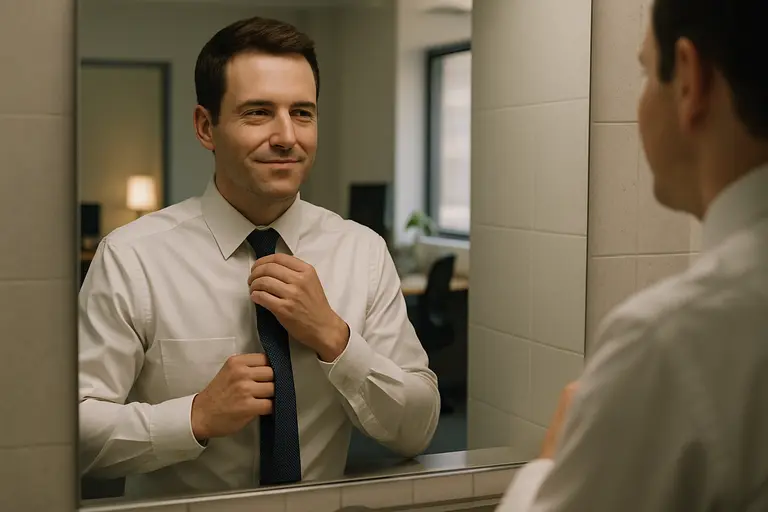
Clothing should help you settle into the room. If sleeves are pulling, shoes are painful, or a collar keeps shifting, your attention divides. The other person may not know exactly why you seem uncomfortable, but discomfort can still affect delivery.
Before a high-stakes meeting, test the full outfit while sitting, standing, walking, and reaching. Check how the fabric moves. Look at the outfit from a few feet away, not only in a close mirror. Make sure the colors do not distract from your face. If you carry a bag, portfolio, or laptop, include it in the test because accessories are part of the full visual impression.
Context also shapes meaning. A crisp blazer may read as prepared in one workplace and overly formal in another. A creative accessory may support your image in a design setting but distract in a conservative client meeting. For broader culture and identity reading in our network, visit Old Norse News for a comprehensive perspective.
How First Impressions Shape Career Opportunities
Use Early Signals Without Overvaluing Them
The most responsible way to use this research is to respect the opening moment without treating it as destiny. A strong start can create trust and attention. A weak start can be repaired through consistency, results, and respectful follow-through. The evidence points to influence, not certainty.
Managers and interviewers should also take care. If early impressions can affect later judgments, then structured evaluation, clear criteria, and time for evidence are valuable safeguards. A polished communicator may not always be the strongest performer, and a nervous candidate may still have the skills the role requires.
For professionals managing their own image, the assignment is practical. Treat First Impressions as a small but meaningful part of career stewardship. Prepare your communication. Dress with context and honesty. Show dependability early. Listen well. Then back up the opening signal with steady behavior, because long-term reputation is built after the first minute has passed.