casual dress codes can make interview branding harder because the words sound relaxed, while the meeting still carries professional stakes. A candidate is not only choosing clothing; they are choosing how their judgment, self-awareness, and attention to context will be read before they answer the first question.
That does not mean every interview requires a suit. It does mean the outfit should support the message you want your posture, eye contact, gestures, and voice to send. Clothing and body language work together. If sleeves pull, shoes squeak, a collar sits awkwardly, or a shirt requires constant adjustment, the interviewer may see movement that looks nervous even if you feel prepared.
On August 6, 2026, AP News reported that job candidates had felt caught between suits and hoodies as virtual interviews and relaxed workplace norms became more common, leaving many unsure how formal interview attire should be AP News. That uncertainty is real. The useful response is not to guess wildly; it is to read the context, choose one step more polished than the daily norm, and remove anything that distracts from your presence.
Why Casual Dress Codes Create Interview Friction
Interview attire has become less automatic. In some workplaces, employees may wear jeans, sneakers, knit tops, or hoodies during ordinary workdays. In a hiring conversation, though, the candidate is still being assessed. The clothing question becomes less about fashion and more about interpretation: did you understand the room you were entering?
Casual Dress Codes And First Impressions
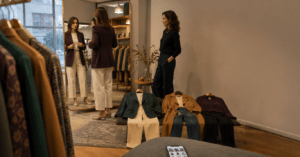
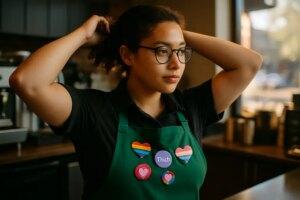
casual dress codes often create friction because “casual” can mean different things in different organizations. In one office, it may mean dark denim, a tucked shirt, and clean shoes. In another, it may mean logo T-shirts and athletic sneakers. For an interview, the safest reading is usually not the most relaxed version of the policy. It is the version that shows you respect the meeting while understanding the culture.
This is where branding begins. Your personal brand is not a slogan. It is the set of cues people receive from your words, behavior, grooming, clothing, and movement. If your outfit says “I did not check the context,” your answers have to work harder. If your outfit says “I understand the standard and prepared with care,” your body language can do its job more easily.
What “One Level Above” Means
The U.S. Department of Labor’s 2026 TEAMS Interview Skills Participant Guide advises candidates to dress one level above what employees typically wear: if employees wear casual clothing, choose business casual; if employees wear business casual, choose business professional DOL interview guide. That guidance is practical because it gives candidates a standard without demanding overdressing in every setting.
For a casual workplace, “one level above” may be a fine knit with dark trousers, a button-down shirt with chinos, a blouse with a clean jacket, or dark jeans only if they are neat, well-fitting, and appropriate to the company context. The aim is not stiffness. The aim is controlled ease.
Read The Room Before You Choose The Outfit
Before selecting clothes, study the employer’s public signals. Look at the company website, employee photos, recruiting pages, and any official hiring material you received. If the interview is for a client-facing role, leadership role, finance role, government setting, or formal service environment, lean more structured. If the role sits in a casual creative or technical setting, polish can come through fit, fabric quality, clean shoes, and intentional layering rather than a full suit.
For more help with culture-aware clothing choices, this related article on interview attire norms gives practical ways to compare formality across in-person, hybrid, and video settings.
Match The Format, Not Just The Company
A video interview changes what the interviewer sees. The frame may show only your face, shoulders, collar, and upper torso. That makes neckline, shoulder fit, color contrast, and grooming more visible. A wrinkled shirt may be less visible from a distance in person but obvious on camera if the light catches it. A busy pattern may distract more on screen than it would in a room.
An in-person interview brings in more signals: how you enter, sit, stand, walk, shake hands where appropriate, place your bag, and manage personal items. Clothing should help those movements look steady. If you need to tug a hem before sitting, smooth a jacket every few seconds, or adjust tight shoes while walking, your appearance starts competing with your answers.
Build An Outfit That Supports Your Presence
The strongest interview outfit is one you can stop thinking about once the conversation starts. It should fit the role, suit the format, and allow natural movement. It should also give structure to the body without making you look armored. A blazer, cardigan, overshirt, fine knit, or pressed button-down can create a clean shoulder line. Dark trousers, chinos, a knee-length skirt, or neat dark denim can keep the lower half calm and professional where the setting allows.
Use casual dress codes as a floor, not the full target. If employees wear hoodies, that does not mean a candidate should copy the most relaxed employee outfit. If employees wear jeans, the interview version should usually be darker, cleaner, and paired with a more refined top layer. If sneakers are appropriate, they should be clean and simple rather than worn down or distracting.
- Choose clothing that is clean, pressed, and free of visible damage.
- Wear shoes that are clean, stable, and suitable for walking into the room confidently.
- Avoid anything too tight, revealing, noisy, or difficult to sit in.
- Test the outfit while sitting, standing, reaching, and speaking.
- Check the full look in the same lighting or camera setup you will use for the interview.
Let Body Language Lead The Final Check
Stand in front of a mirror or record a short practice answer. Notice your shoulders, hands, and face. If the outfit makes you fold your arms, hide your hands, pull at fabric, or avoid turning naturally, make a change. Body language should communicate availability and attention. Clothing should make that easier.
This is especially relevant for candidates preparing for formal screening environments, where calm presentation and ethical preparation matter. A related network resource, Polygraphianz, covers polygraph services; for interview attire, keep the focus on honest preparation, appropriate clothing, and steady professional behavior.
Details That Keep The Interview Focus On You
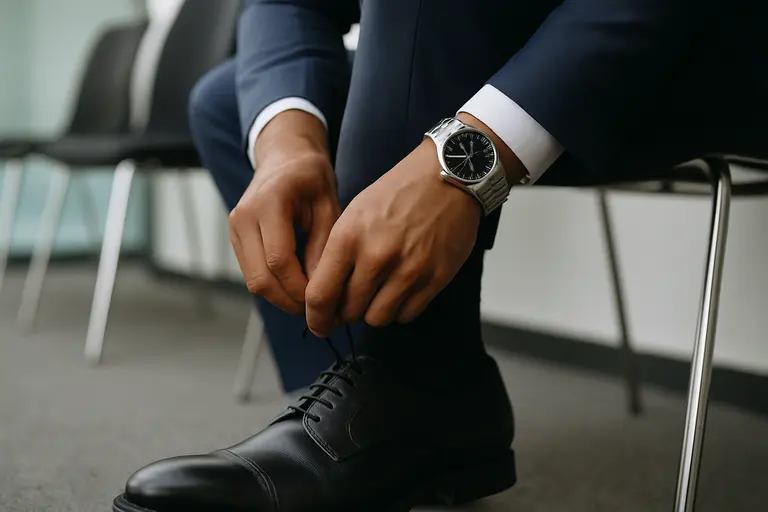
Small details often carry more weight in casual settings because there are fewer formal garments doing the work. A suit may create instant structure, but casual interview attire depends on cleaner choices across the whole outfit. A pressed collar, tidy hem, neat shoes, and controlled accessories can make a relaxed outfit read as intentional.
Fragrance is another area to keep restrained. Strong scent can distract in close rooms and can be difficult for some people to tolerate. Accessories should not make repeated noise. Bags, folders, and notebooks should look organized enough that you can retrieve documents without rummaging. None of these details require expensive purchases. They require inspection.
Use Fit To Reduce Distraction
Fit affects behavior. If trousers pinch, you may shift repeatedly. If sleeves are too long, your hands may disappear or you may keep pushing fabric back. If a top gaps, you may sit guardedly. Those movements can send signals you do not intend. A slightly simpler outfit that fits well will often support your presence better than a more ambitious outfit that needs constant management.
For video interviews, test your outfit from the actual camera angle. Some necklines that look balanced in a mirror may look too bare on camera. Some jackets look sharp standing up but bunch at the shoulder when seated. A five-minute test can prevent a visible problem during the meeting.
Casual Dress Codes For Interview Branding
casual dress codes should not push candidates toward carelessness. They should push candidates toward sharper judgment. The question is not, “How casual can I get away with being?” The better question is, “What outfit helps me look prepared, credible, and comfortable in this specific setting?”
For interview branding, clothing is only one part of the signal. Pair the outfit with steady posture, clear answers, attentive listening, and calm transitions between speaking and listening. If your clothes are neat, comfortable, and one level more polished than the everyday norm, they can recede into the background while your qualifications come forward.
The practical answer to casual dress codes is balance. Respect the relaxed culture, but do not mirror its most informal edge. Choose structure where it helps. Remove distractions where they appear. Let your body language and clothing tell the same story: you understood the opportunity, prepared for it, and arrived ready to be taken seriously.